
Articles
Feed security on hand
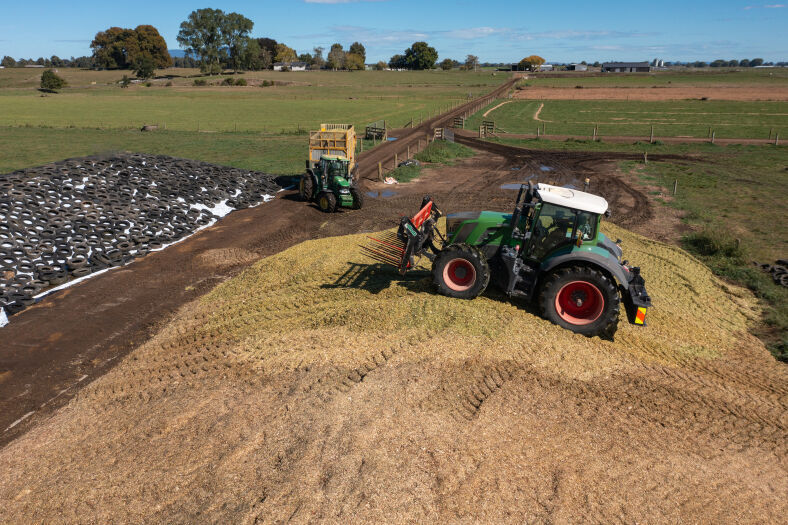
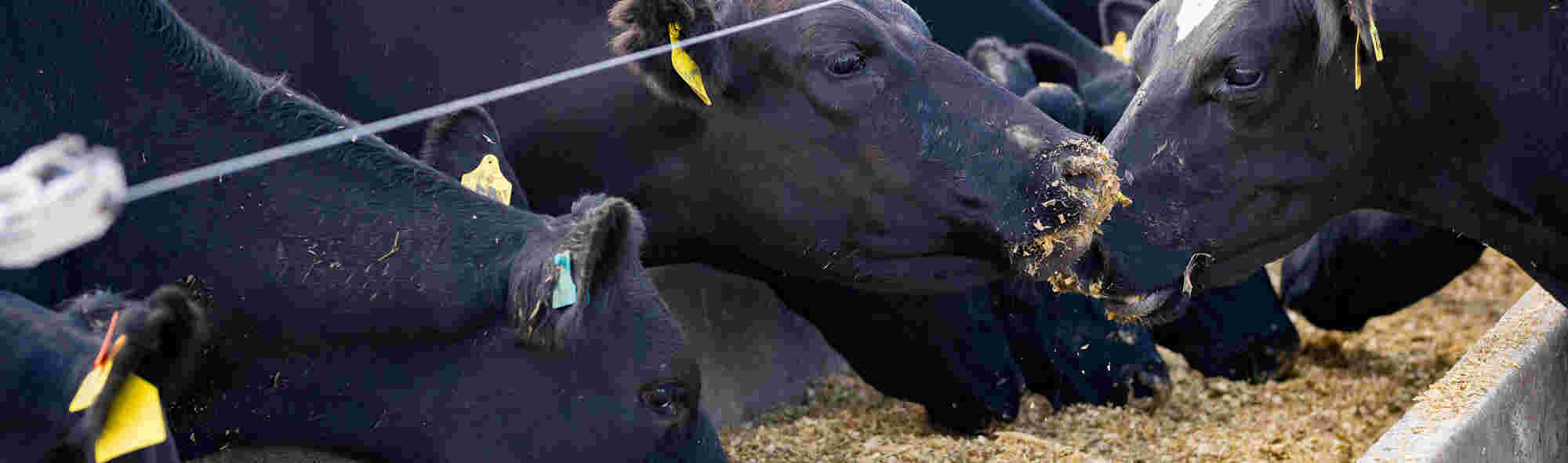
As dairy farmers look ahead to the coming maize silage harvest, more are choosing to carry a stack over from the previous season. It’s a simple strategy that delivers real feed security – giving you confidence that high-quality feed is on hand, whatever the season brings.
Carrying over a stack provides flexibility, protects herd performance, and gives farmers more freedom in their maize silage hybrid choices. With a buffer in place, you can plant longer-maturity (higher Comparative Relative Maturity (CRM)) hybrids without risking an early-season feed gap. These hybrids take longer to reach harvest maturity but generally deliver greater drymatter yields than shorter maturity hybrids – lowering the cost per kilogram of drymatter. Just ensure the crop is harvested early enough to allow for a strong winter pasture or crop establishment.
Insurance when conditions change
A silage reserve acts as valuable insurance across summer and autumn. Regardless of how well pastures grow, a buffer helps maintain consistent cow nutrition, supporting milk production, body condition and overall herd resilience. Cows will milk well on maize silage, especially when paired with a protein source such as leafy pasture, a leafy brassica crop, or a higher protein in-shed blend.
Even when stored for more than 12 months, home-grown maize silage remains one of the most cost-effective supplements available. And in seasons where feed shortages push up the spot-market price of bought-in feed, that value becomes even more significant.
Maize silage is also a proven cow conditioner. Its energy is used around 50% more efficiently for condition score gain compared with autumn pasture.
The longer it’s stored, the better it performs
Another advantage of carrying over maize silage is the improvement in feed value over time. Research shows starch digestibility increases with ensiling time.
During fermentation, bacterial proteases break down the zein proteins that surround the starch granules in maize grain. The longer silage remains ensiled (up to around six months), the more accessible that starch becomes to rumen microorganisms – and the result: improved starch digestion and less starch lost in the faeces.
Silage stored for three to five months typically shows a 10–15 percentage unit increase in starch digestibility compared with freshly harvested silage. For farmers, that means more efficient feed utilisation – and more milk in the vat.
Protect your investment
If you’re planning to store maize silage long-term, make sure it’s protected. Using a quality silage inoculant such as Pioneer® brand 11C33RR helps limit heating and feed-out losses. Compact the stack well, seal it with a high-quality cover, use rat bait to protect against pests, and check regularly for damage.
Whether you’re already relying on maize silage or considering building a buffer for the first time, reach out to your local Pioneer representative to learn more about the benefits of carrying over a maize silage stack.
